Lattes not Lambos: how Europeans are actually spending crypto


There's a stubborn myth about crypto spending. The image that persists is a tech nerd or early adopter flaunting their wealth on a sports car or a private dinner, crypto as the currency of excess. The reality, at least for normal OKX Card users across Europe, looks a lot more like an average Tuesday. New data from OKX Card stablecoin transactions in Europe makes this clear: supermarkets, bakeries, takeaways, and the odd holiday booking. Forget the Lambo. People are buying lettuces.
The numbers: everyday spending leads
We analysed settled OKX Card transactions in Europe between late January and late February 2026, and the results challenge the usual assumptions about how crypto gets spent in the real world.Groceries topped the chart at 26% of all transactions. More than one in four OKX Card payments happened at a supermarket checkout. Restaurants came in at 12%, online marketplaces at 13%, with fast food and convenience stores close behind. Food-related spending, groceries, restaurants, fast food, accounts for 44% of European transactions combined. Grocery runs and dinner plans, not just trading.Across Europe, normal people are using crypto for everyday purchases. It's being used at supermarkets, bakeries and takeaway counters every day. When crypto pays for lunch, payment adoption is real.For years, critics pointed to a lack of everyday utility as crypto's weak point: great as a speculative asset, less useful as actual money. OKX Card users across Europe are making that critique look dated.
Spending patterns by country
Look closer at individual countries and spending reflects local culture in ways that are genuinely down-to-earth.
France lives up to its reputation. Five percent of all French OKX Card transactions happen in bakeries, more than double the European average of 2%. Nearly one in twenty card swipes is at a boulangerie. A croissant paid for with a stablecoin may be the most convincing sign yet that crypto has gone mainstream.
Germany leans hard into ecommerce. A full 30% of German OKX Card transactions occur on online marketplaces, more than twice the European average of 13%. Germans are clearly comfortable using crypto for online purchases alongside their everyday grocery and dining spend.
The Netherlands takes the grocery crown. Over a third of Dutch OKX Card transactions (37%) happen in supermarkets, well ahead of the European average. Dutch users are also the standout travel spenders, with nearly 20% of their crypto card volume going on travel bookings and accommodation.
Poland shows the most distinctive everyday mobility patterns. Sixteen percent of Polish transactions occur in convenience stores, more than double the European average, and almost one in ten Polish OKX Card users are paying for fuel with crypto. The daily commute is going digital too.
So what does this mean for you?
Across Europe, people use the OKX Card for the weekly shop, Friday night dinner, and summer holidays. Spending in crypto isn't a statement, just a habit. If you've been sitting on stablecoins without spending them, you might be missing the point of having them in the first place.
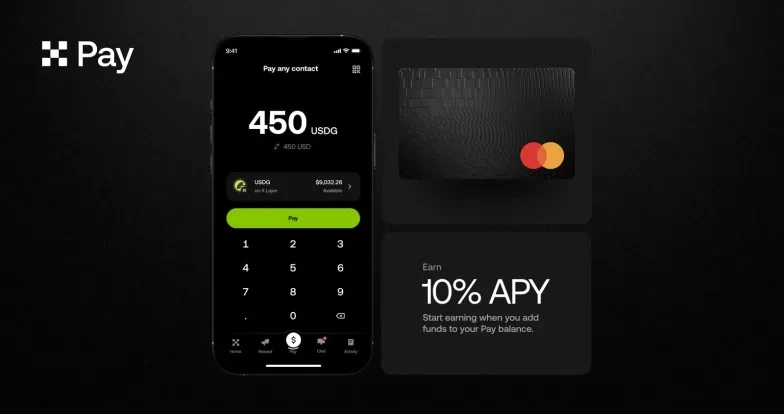
The OKX Card is an ideal payments card for exploring Europe this summer, with no transaction fees, no FX fees, and just a low 0.1% market spread when converting stablecoins to Euro. OKX Card lets you spend wherever Mastercard is accepted. No conversion headaches. Just pay.
The OKX Card is available across the EEA. Data covers settled OKX Card purchase transactions from 28 January to 26 February 2026, expressed as a percentage share of top 20 merchant categories.